
Interactive White Boards (IWBs) are becoming more and more a tool of the modern classroom. They can be great for sharing, analyzing and deconstructing digital media, and getting kids out of their seats and interacting physically with content. Although there are many brands, the IWB most commonly used in New York is made by SMART Tech. Most of the activities listed in this post can be recreated with a laptop and projector, without an IWB, or even recreated with an iPad (see below).
Author: The Media Spot
The Media Spot collaborates with educators to integrate media literacy education into a variety of learning environments.
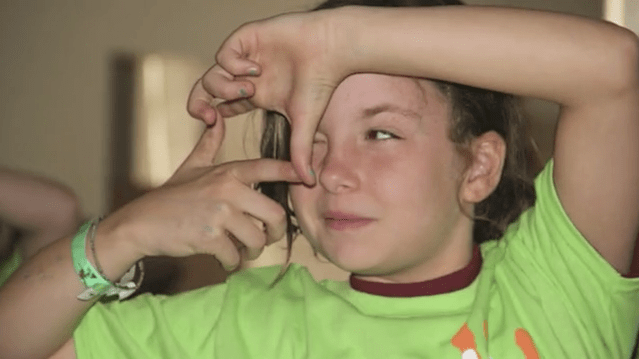
It is always a goal of TMS/TGC productions to expose this decision-making process within our videos to not only demonstrate the building of media literacy that goes on at camp, but to expose our audience to those lessons as well. We hope to engage viewers in critical thinking about the constructedness of all media as they watch campers make editorial choices, and also transparently share the camp video production process to those who would like to try it for themselves.

In March of 2012 I spoke to a class at Columbia Teachers College Graduate School of Education about the potential for project-based learning in K-12 schools through the incorporation of digital media production, and the importance of including media literacy concepts in such efforts.

Since September of 2007 we have been contributing to the development of The Code (released November 11, 2008), a coordinated effort by the media literacy community, supported by experts at American University and The Media Education Lab at Temple University to simplify the legalities of using copyrighted materials in an academic setting.

This summer I had the pleasure of collaborating with some outstanding media educators at the 8th annual Generation Connection (TGC) summer camp in Gainesville, Florida, where we helped campers (age 8-80) use digital media to document their experiences on the camp website. The Media Spot has been working with the TGC since year one to work with participants to create documentary videos on their travels around Central Florida, encouraging critical thinking about how we can use media to shape, share, and reflect on what is important to us.

Rhys Daunic was a visiting faculty member at The Salzburg Academy on Media & Global Change & Global Change in 2010.

The Media Spot’s Rhys Daunic published an article reflecting on 10 years in the field of media literacy education in Volume 3 Issue 1 of the Journal of Media Literacy Education (JMLE).
This Friday, I am going to be participating on a panel discussion, “Beyond The Screen: Incorporating Media Into Your Lesson Plan”, at the Arts Engine, Media that Matters Film Festival free day-long series of conversations for filmmakers, activists, and educators.

I am proud to announce that the work of several of the students and teachers I work with will be featured in an upcoming film screening at the National Council of Teachers of English Annual Convention on Saturday, November 20, 2010 in Orlando, Florida (my old hometown — go Braves!)

Over the past year, I had the opportunity to work with the inspirational staff at the Brooklyn School of Inquiry, PS 686, on a series of documentary videos on their arts, enrichment and media literacy programs.
 The Media Spot