Media Literacy Education expands the concept of literacy (i.e., reading and writing) to include all forms of media.

 The Media Spot
Media Literacy Education expands the concept of literacy (i.e., reading and writing) to include all forms of media.

A VoiceThread is a collaborative, multimedia slide show that holds images, documents, and videos and allows people to leave comments in 5 ways – using voice (with a mic or phone), text, audio file, or video (via a webcam).

Rhys Daunic was invited as a representative of The Media Spot and The National Association for Media Literacy Education (NAMLE) to the U.S. State Department at to discuss media literacy education with journalists touring media institutions through the International Visitor Leadership Program (IVLP).

The TMS Media Literacy Unit Planner is used as a tool for the development of units of study that connect curriculum objectives, core concepts of media literacy, technology standards, and the Common Core State Standards. The publically available and reproducable Google Doc template has been, and will continue to be, finessed and refined through planning sessions with the teachers we work with.

21st Century Kindergartners show you what they know, and how they are building skills to participate in the emerging media landscape.

5th Grade Book Trailer – Comic Book Adaptation of The Invisible Man followed by a process-focused Media Literacy teaching video demonstrating the critical thinking that went into this student mixed media production.

Tutorials & Resources to help teachers & students use free online tools from Google.
Interactive White Boards (IWBs) are becoming more and more a tool of the modern classroom. They can be great for sharing, analyzing and deconstructing digital media, and getting kids out of their seats and interacting physically with content. Although there are many brands, the IWB most commonly used in New York is made by SMART Tech. Most of the activities listed in this post can be recreated with a laptop and projector, without an IWB, or even recreated with an iPad (see below).
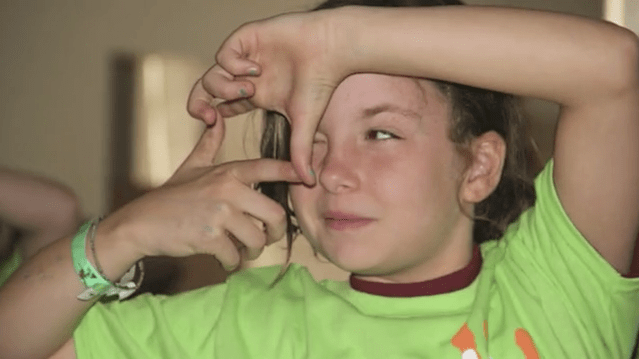
It is always a goal of TMS/TGC productions to expose this decision-making process within our videos to not only demonstrate the building of media literacy that goes on at camp, but to expose our audience to those lessons as well. We hope to engage viewers in critical thinking about the constructedness of all media as they watch campers make editorial choices, and also transparently share the camp video production process to those who would like to try it for themselves.

In March of 2012 I spoke to a class at Columbia Teachers College Graduate School of Education about the potential for project-based learning in K-12 schools through the incorporation of digital media production, and the importance of including media literacy concepts in such efforts.

 The Media Spot